
Presley Insurance Group
Motorcycle Insurance for Texas Riders
Presley Insurance Group helps Texas riders protect their bikes, gear, and liability with motorcycle insurance that fits how you actually ride—from daily commutes to weekend hill country runs.
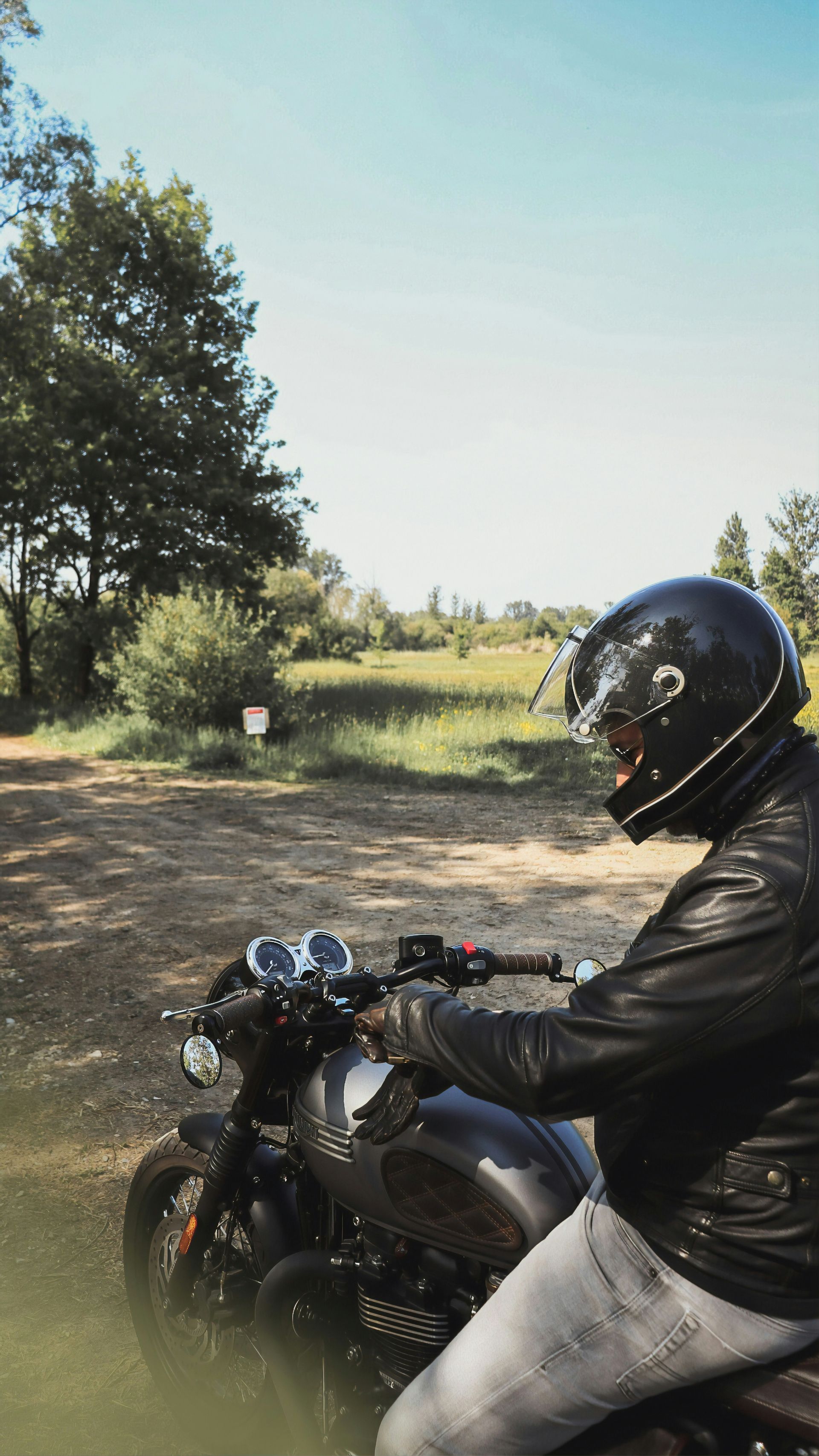
Motorcycle Insurance Texas Riders Can Rely On
Whether you ride a cruiser, sport bike, touring bike, or scooter, your motorcycle is more than just transportation—it’s freedom, fun, and part of your identity. Motorcycle insurance helps you handle the financial side if something goes wrong, from accidents and theft to injuries and damage to other people’s property.
Based in the Dallas-Fort Worth area and serving riders across Austin, San Antonio, Central Texas, and West Texas, Presley Insurance Group is an independent insurance agency in Texas that shops multiple carriers for you. We explain coverage in plain language and help you choose liability limits, physical damage options, gear coverage, and deductibles that make sense for your bike, your budget, and how often you ride. Whether you’re a new rider or have years of experience, you get clear options and a local team ready to help at renewal and at claim time.
Texas Motorcycle Insurance Coverage Options
Liability Coverage for Riders
Liability coverage helps protect you if you’re found responsible for injuring someone else or damaging their property while riding your motorcycle. Because bikes often share the road with larger, heavier vehicles, we take time to walk through realistic scenarios and recommend liability limits that reflect your assets, income, and comfort level—not just the state minimums.
Comprehensive Coverage
Comprehensive coverage helps protect your motorcycle against non-collision losses like theft, vandalism, fire, hail, falling objects, and certain animal-related damage. In Texas, where storms and theft can both be concerns, comprehensive is often a key part of protecting your bike whether it’s on the road, in storage, or on a trailer.
Medical Payments / Personal Injury Protection (PIP)
Medical payments and PIP coverage can help with medical bills for you and sometimes your passenger after an accident, regardless of fault, up to the limits you choose. We’ll walk through how these coverages interact with your health insurance so you can decide what role they should play in your overall protection.
Collision Coverage
Collision coverage helps pay to repair or replace your bike if it’s damaged in an accident, regardless of who was at fault. We consider your motorcycle’s age, value, and financing status to help you decide whether collision coverage makes sense, and we’ll talk through deductibles so you’re not caught off guard by out-of-pocket costs after a crash.
Uninsured & Underinsured Motorist Coverage
Not every driver on Texas roads carries enough insurance. Uninsured and underinsured motorist (UM/UIM) coverage can help pay for your injuries and sometimes damage to your bike if you’re hit by someone with little or no liability coverage. We’ll explain how UM/UIM works for motorcyclists and why it can be especially important when you’re more exposed on a bike.
Accessories, Gear & Custom Parts
Many Texas riders invest heavily in helmets, riding gear, saddlebags, chrome, custom paint, performance parts, and other upgrades. We can help you structure coverage for accessories and custom parts so that if something happens to your bike, the add-ons you’ve invested in aren’t left out. That might mean specific limits for accessories or scheduling higher-value custom work.
Coverage for Passengers & Occasional Riders
If you regularly ride two-up or occasionally let a trusted friend ride your bike, we’ll explain how your policy treats passengers and permissive operators. We’ll talk about who rides with you, how often, and under what circumstances so we can make sure your liability, medical, and other coverages line up with real life.
Motorcycle Insurance Built Around Texas Roads
Riding in Texas can mean dense Dallas-Fort Worth traffic, curvy hill country roads near Austin and San Antonio, or long, open stretches through Central and West Texas. Weather, traffic patterns, road conditions, and riding seasons all influence your risk and coverage needs. We factor in where you ride, how far you travel, and where you store your bike when we recommend coverage and carriers.
Our local insight helps you:
- Understand how Texas traffic and highway speeds can impact liability decisions
- Choose deductibles that feel realistic if your bike is damaged or totaled
- Consider theft, vandalism, and storm exposure based on where your bike is stored
- Coordinate motorcycle insurance with your home, auto, and umbrella policies for broader protection
- Adjust coverage as your riding habits change, whether you ride year-round or seasonally
Smart Ways Texas Riders May Save on Motorcycle Insurance
Motorcycle insurance in Texas doesn’t have to be expensive, especially when coverage is tailored to how you ride. While discounts vary by carrier and eligibility, we look for practical ways to help you protect your bike and your budget at the same time.
- Home and auto insurance bundles that include your motorcycle policy
- Multi-bike discounts when you insure more than one motorcycle or scooter
- Savings for completing approved motorcycle safety courses
- Possible discounts for clean driving and riding records with few or no claims
- Credits for certain security features, locked storage, or garage parking
- Options to structure coverage and deductibles around seasonal or occasional use
We’ll compare options from multiple carriers side by side so you see more than just the lowest premium—you’ll see how each choice affects your protection for the bike, your body, and your liability. Our goal is to help you feel confident that your motorcycle insurance matches the way you actually ride in Texas.
Frequently Asked Questions
Is motorcycle insurance required in Texas?
Yes. Just like with cars, Texas requires motorcyclists to carry at least a minimum amount of liability insurance to help pay for injuries or property damage you cause to others in an accident. In practice, those state minimums are often too low for real-world claims, so we’ll walk through higher liability limits and show you how they affect both your protection and your premium.
Does my auto insurance cover me when I ride a motorcycle?
No. Motorcycles are typically insured on their own policies—your auto insurance generally does not extend to your bike. That’s why it’s important to have a dedicated motorcycle policy that includes liability and, if appropriate, physical damage coverage designed for two-wheeled vehicles. We’ll make sure your auto and motorcycle coverage work together instead of leaving gaps.
How much motorcycle insurance do I really need?
The right amount depends on your bike’s value, how you use it, your other assets, and your risk tolerance. We usually start with liability limits that reflect your income and savings, then talk through whether collision, comprehensive, UM/UIM, medical coverage, and accessories coverage make sense. Together, we’ll build a package that feels like a good balance between protection and cost.
Are my helmet, riding gear, and custom parts covered?
Many policies include some level of coverage for accessories and gear, but limits can vary widely and may not automatically match what you’ve invested. If you’ve added custom parts or have high-quality gear, we’ll go over how your policy treats those items and, if needed, increase accessory limits or schedule certain upgrades so they’re clearly protected.
Can I pause or reduce coverage during the off-season?
Some riders in Texas use their bikes year-round, while others park them during certain months. Depending on your carrier and financing situation, there may be ways to adjust coverage during low-use periods—such as keeping comprehensive in place while reducing certain other coverages. We’ll talk about how often you ride and explore options that protect your bike even when it’s off the road.
What information do you need to quote my motorcycle?
To quote Texas motorcycle insurance accurately, we’ll usually ask for your bike’s year, make, model, VIN, engine size, any modifications or customizations, how many miles you ride annually, where the bike is stored, and who rides it. With that information, we can shop multiple carriers and present options in a way that’s easy to compare.