Presley Insurance Group
Commercial Auto Insurance for Texas Businesses
Presley Insurance Group helps Texas businesses protect the vehicles they rely on—trucks, vans, service vehicles, and more—with commercial auto insurance built for real-world driving, deliveries, and job-site travel.
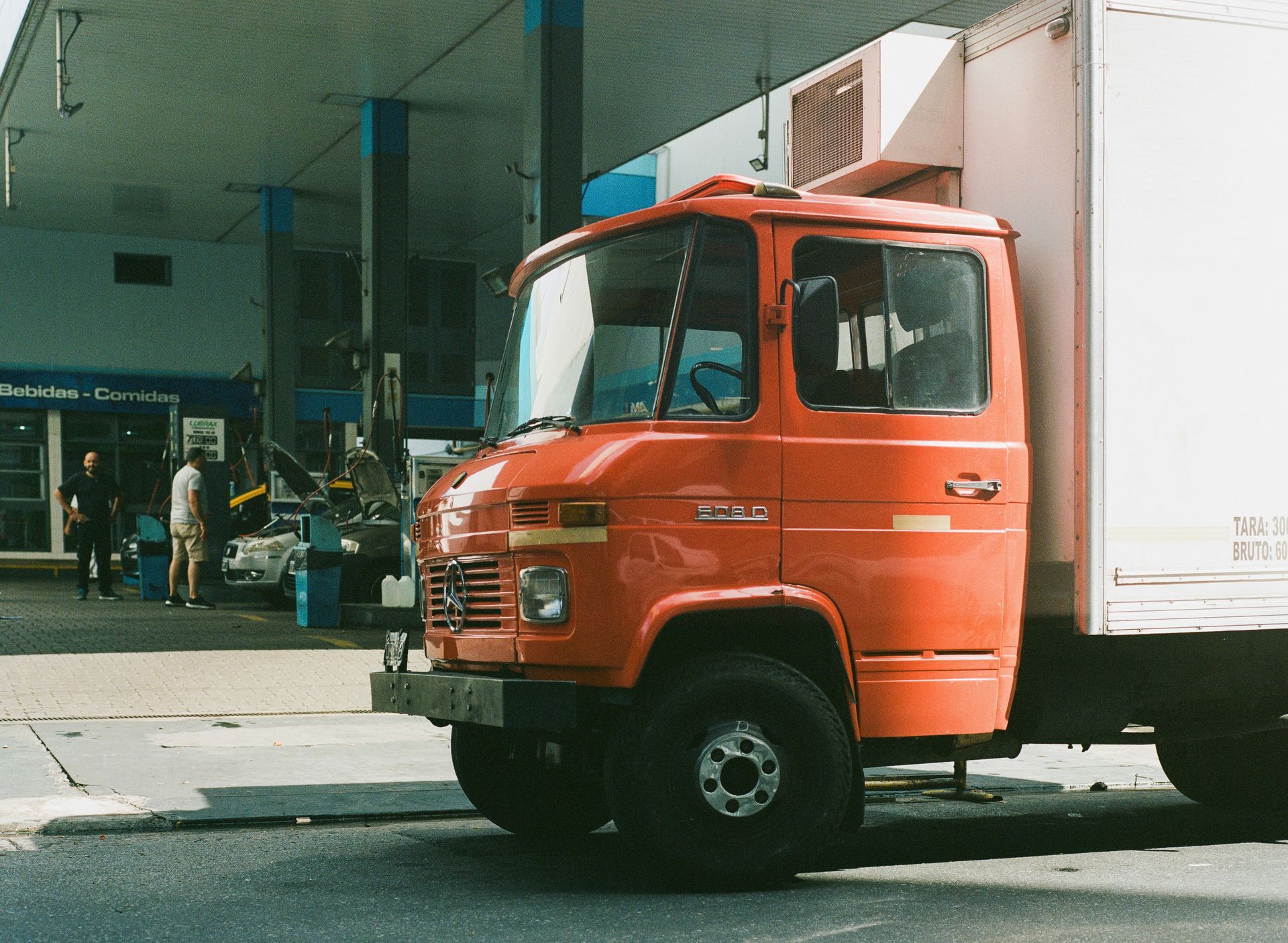
Commercial Auto Insurance Texas Fleets Can Rely On
From a single work truck to a growing fleet of vehicles, your business depends on safe, reliable transportation. Commercial auto insurance helps cover the financial side if one of your vehicles is in an accident, causes injuries, or damages someone else’s property. It’s essential protection for companies that drive to clients, haul materials, or keep crews moving every day.
Based in the Dallas-Fort Worth area and serving businesses across Austin, San Antonio, Central Texas, and West Texas, Presley Insurance Group is an independent insurance agency in Texas that shops multiple carriers for you. We explain coverage in plain language and help you choose liability limits, physical damage options, hired and non-owned auto coverage, and deductibles that fit your vehicles, routes, and budget. Whether you run a small service company or manage a larger fleet, you get clear options and a local team ready to help at renewal and at claim time.
Texas Commercial Auto Insurance Coverage Options
Liability Coverage for Business Vehicles
Commercial auto liability coverage helps protect your business if a company vehicle is involved in an accident that causes bodily injury or property damage to others. We look at how many vehicles you have, who’s driving them, and how far you travel to recommend liability limits that reflect your contracts, assets, and real-world risk—not just state minimums.
Hired & Non-Owned Auto Liability
If your employees rent vehicles for business or use their personal cars for company errands, hired and non-owned auto (HNOA) coverage can help protect your business if an accident occurs. This coverage is especially important for companies that rely on sales reps, deliveries, or frequent errands in vehicles you don’t own. We’ll help you understand when HNOA applies and how it fits with your broader commercial auto program.
Medical Payments & Personal Injury Protection (PIP)
Medical payments and PIP coverage can help with medical expenses for drivers and sometimes passengers after an accident, regardless of fault and up to selected limits. We’ll explain how these coverages work alongside workers’ compensation, health insurance, and other policies so you can decide what role they should play in your commercial auto plan.
Physical Damage: Collision & Comprehensive
Collision and comprehensive coverage help pay to repair or replace your vehicles if they’re damaged by a covered loss—such as a collision, theft, vandalism, fire, hail, or certain animal-related incidents. We’ll consider each vehicle’s age, value, and financing status to structure deductibles and coverage that make sense without overinsuring older units or underinsuring newer ones.
Coverage for Trailers & Attached Equipment
Many Texas businesses pull trailers loaded with tools, materials, or equipment. We can help structure coverage for business-use trailers, as well as certain permanently attached equipment—like ladder racks, toolboxes, and cranes—so a covered loss doesn’t leave you paying out of pocket for expensive gear on the road.
Uninsured & Underinsured Motorist (UM/UIM)
Not every driver on Texas roads carries enough insurance. UM/UIM coverage can help protect your drivers and passengers if they’re injured by someone with little or no liability coverage. We’ll walk through how UM/UIM works for commercial vehicles and help you choose limits that align with your liability and risk comfort level.
Specialty & Fleet Coverage Options
From light-duty pickups and service vans to box trucks and small fleets, specialty coverage options can address unique risks—like refrigerated units, certain upfits, or mixed-use vehicles. We’ll look at how each vehicle is used, who drives it, and any special requirements from lenders or clients to tailor your commercial auto coverage.
Commercial Auto Insurance Built Around Texas Roads
Doing business in Texas often means navigating busy Dallas-Fort Worth highways, construction zones in Austin and San Antonio, and long stretches of open road through Central and West Texas. Heavy traffic, high speeds, weather, and long daily routes all influence your commercial auto risk. We factor in where your vehicles operate, how far they travel, and where they’re stored when we recommend coverage and carriers.
Our local insight helps you:
- Understand how Texas traffic, weather, and claim trends affect commercial auto rates and coverage
- Choose liability limits that reflect highway driving, cargo, and contract expectations
- Decide how to insure different vehicle types in a mixed fleet without over- or underinsuring
- Coordinate commercial auto with general liability, contractors insurance, and umbrella policies
- Plan for growth as you add vehicles, drivers, and new service areas across Texas
Smart Ways Texas Businesses May Save on Commercial Auto Insurance
Commercial auto insurance in Texas doesn’t have to be guesswork—or more expensive than it needs to be. While pricing and credits vary by carrier and eligibility, we look for practical ways to keep your vehicles properly covered and your premiums as predictable as possible.
- Multi-policy savings when you bundle commercial auto with general liability and property
- Better pricing for clean driving records and strong fleet safety programs
- Potential discounts for telematics, GPS, or driver-monitoring tools (when they fit your culture)
- Credits tied to driver training, MVR reviews, and written fleet policies
- Options to structure deductibles thoughtfully instead of cutting important liability or UM/UIM coverages
- Right-sizing coverage as vehicles age, are paid off, or are removed from service
We’ll compare options from multiple carriers side by side so you see more than just a premium number—you’ll understand how each choice affects your protection, driver safety, and cash flow. Our goal is to help you feel confident that your commercial auto insurance supports your business on every trip.

Frequently Asked Questions
Do I need commercial auto insurance if I already have personal auto policies?
If a vehicle is owned by your business or used primarily for business—hauling tools, making deliveries, visiting job sites—personal auto insurance often won’t provide the protection you expect. Commercial auto policies are built for business use, higher mileage, and different liability exposures. We’ll review how each vehicle is titled and used to determine where commercial coverage is needed and where personal policies may still be appropriate.
What types of vehicles can be covered under commercial auto?
Commercial auto can cover a wide range of vehicles, including pickups, service vans, box trucks, small dump trucks, certain flatbeds, and more—depending on the carrier. We’ll ask about each vehicle’s year, make, model, VIN, weight, and use (service, retail, or commercial) to place them correctly. For very large or specialized units, we may explore additional or separate coverage options designed for those vehicles.
Are my employees covered when they drive company vehicles?
Yes—commercial auto liability is generally designed to cover authorized employees driving covered vehicles for business purposes, subject to policy terms and driver eligibility guidelines. We’ll talk about who drives, how often, and what your driver screening process looks like so we can align your policy with your real-world operations and any carrier requirements.
What is hired and non-owned auto coverage, and do I need it?
Hired and non-owned auto (HNOA) coverage helps protect your business when employees use vehicles you don’t own—such as rental cars or their personal vehicles—for business errands. If your team uses their own cars for deliveries, client visits, or bank runs, a standard commercial auto policy may not be enough by itself. We’ll review how often this happens and recommend HNOA limits if it’s a regular part of how you operate.
How are commercial auto insurance premiums calculated?
Carriers look at factors like the number and type of vehicles, how they’re used (service vs. delivery), annual mileage, driver histories, garage locations, claims experience, and chosen coverages and limits. We’ll help you understand which factors you can influence—such as driver screening, safety practices, and vehicle selection—so you’re better positioned for stable pricing over time.
Can you help with certificates of insurance for my contracts and deliveries?
Absolutely. Many shippers, clients, and project owners require proof of commercial auto insurance before they’ll sign a contract or allow your vehicles on site. Our commercial team handles certificate requests daily, including additional insured and special wording when needed. We focus on quick, accurate COI turnaround so insurance details aren’t what holds up your work.