
Presley Insurance Group
Homeowners Insurance for Texas Homeowners
Presley Insurance Group helps Texas homeowners protect their houses, belongings, and liability with homeowners insurance that reflects real Texas risks—from storms and hail to everyday life at home.
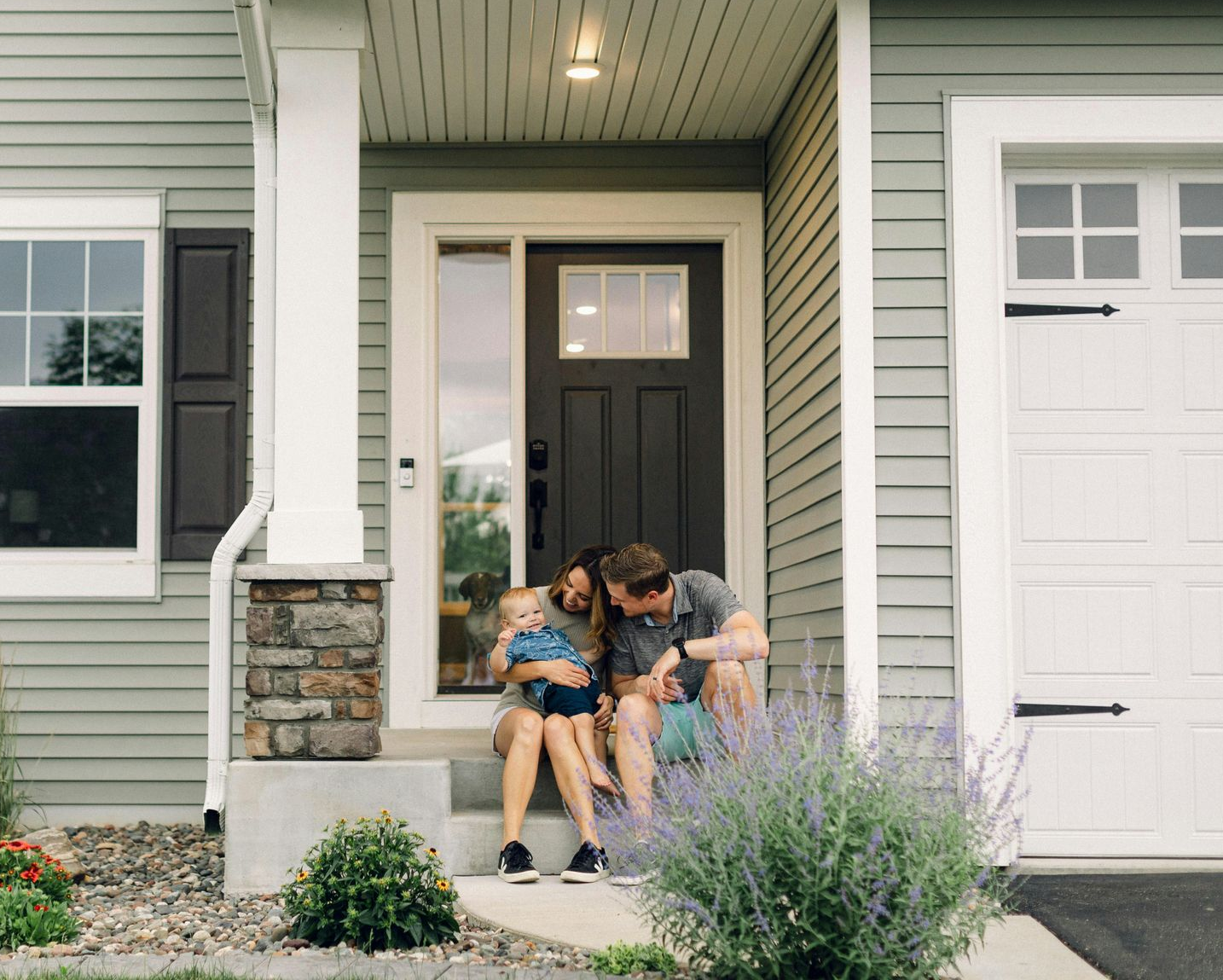
Home Insurance Texas Homeowners Can Trust
Your home is often your largest investment and where most of your memories are made. A strong homeowners insurance policy helps you recover from unexpected events like fire, theft, storms, or injuries on your property so you can focus on your family, not just the financial fallout.
Based in the Dallas-Fort Worth area and serving homeowners across Austin, San Antonio, Central Texas, and West Texas, Presley Insurance Group is an independent insurance agency in Texas that shops multiple carriers for you. We explain coverage in plain language and help you find the right balance of dwelling limits, personal property protection, liability, and deductibles. Whether you’re buying your first home, upgrading, or reviewing a long-time policy, you get clear options and a local team ready to help at renewal and at claim time.
Texas Homeowners Insurance Coverage Options
Dwelling Coverage
Dwelling coverage is the backbone of your homeowners policy and helps pay to repair or rebuild your home if it’s damaged by a covered loss, like fire, wind, or hail. We’ll help you estimate an appropriate rebuild value—not just the market price—so your coverage limits are designed around what it might actually cost to reconstruct your home.
Liability Coverage
Personal liability coverage helps protect you if someone is injured on your property or if you accidentally cause damage to someone else’s property. We take time to understand your lifestyle, assets, and potential exposures so we can recommend liability limits that feel realistic and protective—often in coordination with a personal umbrella policy.
Other Structures Coverage
Other structures coverage applies to things on your property that aren’t attached to your main home, like detached garages, fences, sheds, or backyard studios. We help you make sure these structures are appropriately considered in your policy so you’re not surprised by limits after a loss.
Personal Property Coverage
Personal property coverage protects the belongings you keep in and around your home, from furniture and electronics to clothing and décor. We explain how standard limits and sublimits work, when it makes sense to increase coverage, and how replacement cost versus actual cash value affects what you’d receive after a claim.
Loss of Use / Additional Living Expenses
If a covered loss makes your home temporarily unlivable, loss of use (or additional living expenses) coverage can help with the cost of staying elsewhere and certain extra expenses while your home is being repaired. We’ll review how this benefit works so you understand what’s covered long before you ever need to use it.
Deductibles and Wind/Hail Considerations
Many Texas homeowners policies treat wind and hail a bit differently, especially in areas with frequent storms. We’ll talk through your options for all-peril versus separate wind/hail deductibles and the trade-offs between higher deductibles and lower premiums so you can choose what fits your comfort level.
Endorsements and Extra Protection
Homeowners policies can be tailored with endorsements that add or expand coverage—such as water backup, equipment breakdown, scheduled valuables, or increased ordinance or law coverage. We’ll help you decide which add-ons make sense based on your home, your belongings, and your budget.
Home Insurance Built Around Texas Homes
Owning a home in Texas means dealing with unique weather patterns, rapid growth in certain areas, and changing construction costs. From hail in Dallas-Fort Worth to heavy storms in Central and South Texas, we factor in where your home is located and how it’s built when we recommend coverage and carriers.
Our local insight helps you:
- Understand how Texas storm and hail activity can affect coverage and pricing
- Choose deductibles that make sense for roof claims, wind, and severe weather
- Consider roof age, construction type, and updates when structuring your policy
- Coordinate homeowners insurance with your auto and umbrella coverage for better overall value
Smart Ways Texas Homeowners May Save on Home Insurance
Homeowners insurance in Texas doesn’t have to be confusing—or more expensive than it needs to be. While discounts vary by carrier and eligibility, we routinely look for opportunities to lower costs without cutting important protection.
- Home and auto insurance bundles for Texas families
- Claims-free discounts for homeowners with clean recent histories
- Savings for qualifying roof materials, age, or recent roof replacements
- Discounts for monitored alarm systems, smoke detectors, and security features
- Potential credits for protective updates like new wiring, plumbing, or HVAC
- Multi-policy discounts when you place additional properties or umbrella coverage with the same carrier
We’ll compare both discounted and non-discounted options side by side so you see the full picture—not just the lowest upfront premium. Our goal is to help you feel confident that you’re getting solid protection at a fair price.

Frequently Asked Questions
How much homeowners insurance do I really need in Texas?
At minimum, your dwelling coverage should be based on what it would cost to rebuild your home, not its market value. From there, we look at how much you own, your savings, and your risk tolerance to set personal property and liability limits. We’ll walk through different scenarios together so you can choose coverage levels that feel realistic and protective—not excessive.
Does homeowners insurance cover hail, wind, and storm damage to my roof?
In many cases, yes—Texas homeowners policies typically cover hail, wind, and storm damage when those perils are included in your policy. However, coverage can vary by carrier, roof age, roof type, and deductible structure. We review how your specific policy handles wind and hail, what deductibles apply, and whether there are any cosmetic or age-related limitations you should know about before a storm hits.
What’s the difference between replacement cost and actual cash value for my home and belongings?
Replacement cost coverage is designed to help pay what it would cost to repair or replace your home or belongings with new items of similar kind and quality, without deducting for depreciation. Actual cash value (ACV) factors in depreciation, so your payout may be lower for older items. We explain where each applies on your policy and when it may make sense to upgrade to replacement cost to avoid surprises after a claim.
Can I bundle my Texas home insurance with auto to save money?
Often, yes. Many carriers offer significant discounts when you bundle home and auto insurance in Texas. Bundling can also simplify billing and renewals. We’ll compare bundled and unbundled options across multiple carriers so you can see whether combining policies genuinely saves money and still gives you the coverage you want.
Am I covered if I rent out part or all of my home on a short-term basis?
Standard homeowners policies are designed primarily for owner-occupied use. Occasional or ongoing short-term rentals (like vacation rentals or room shares) may create coverage gaps or exclusions. If you’re renting out part or all of your home, we’ll review how your current policy treats that exposure and, if needed, explore options like specific endorsements, landlord coverage, or different policy types to keep you properly protected.
Do I need separate flood insurance for my Texas home?
Yes—flooding from rising water is typically not covered by standard homeowners insurance. If your home is in an area with any flood risk, we can help you evaluate flood maps, lender requirements, and your personal comfort level, then explore flood insurance options through the National Flood Insurance Program (NFIP) or private carriers so you’re not relying on guesswork.